1 AiCE PointPart 1/4

The Three-Cell Model of Skin Rejuvenation
A simplified cellular framework for aesthetic practice
Feb 2026 · 11 min read
Peer-reviewed, open-access research, reviews, case reports and clinical commentary across injectables, skin health, regenerative medicine and patient safety.
ISSN 2979-8116 (Online)
Lead article · Clinical anatomy review
Dr Ahmed Haq · 6 Sep 2026 · 1 AiCE Point
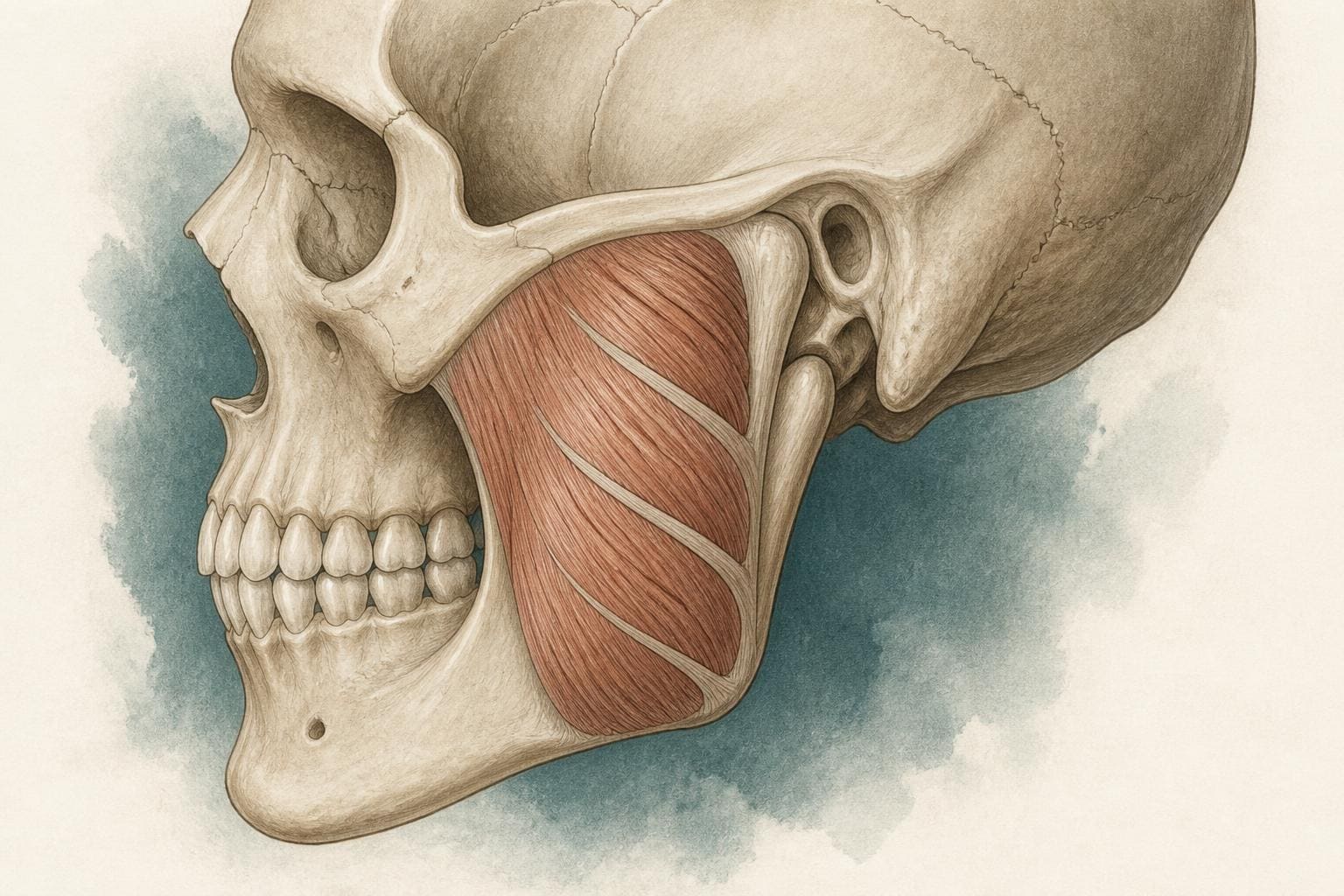
Clinical anatomy review of the masseter: multipennate laminar architecture, the deep inferior tendon and coronoid part, fibre-type profile, leverage and bite force, the parotideomasseteric fascia and risorius, and mandibular bone response to neuromodulation.
Four papers on how the face really ages, and how to treat it. Each paper read carries 1 AiCE Point.
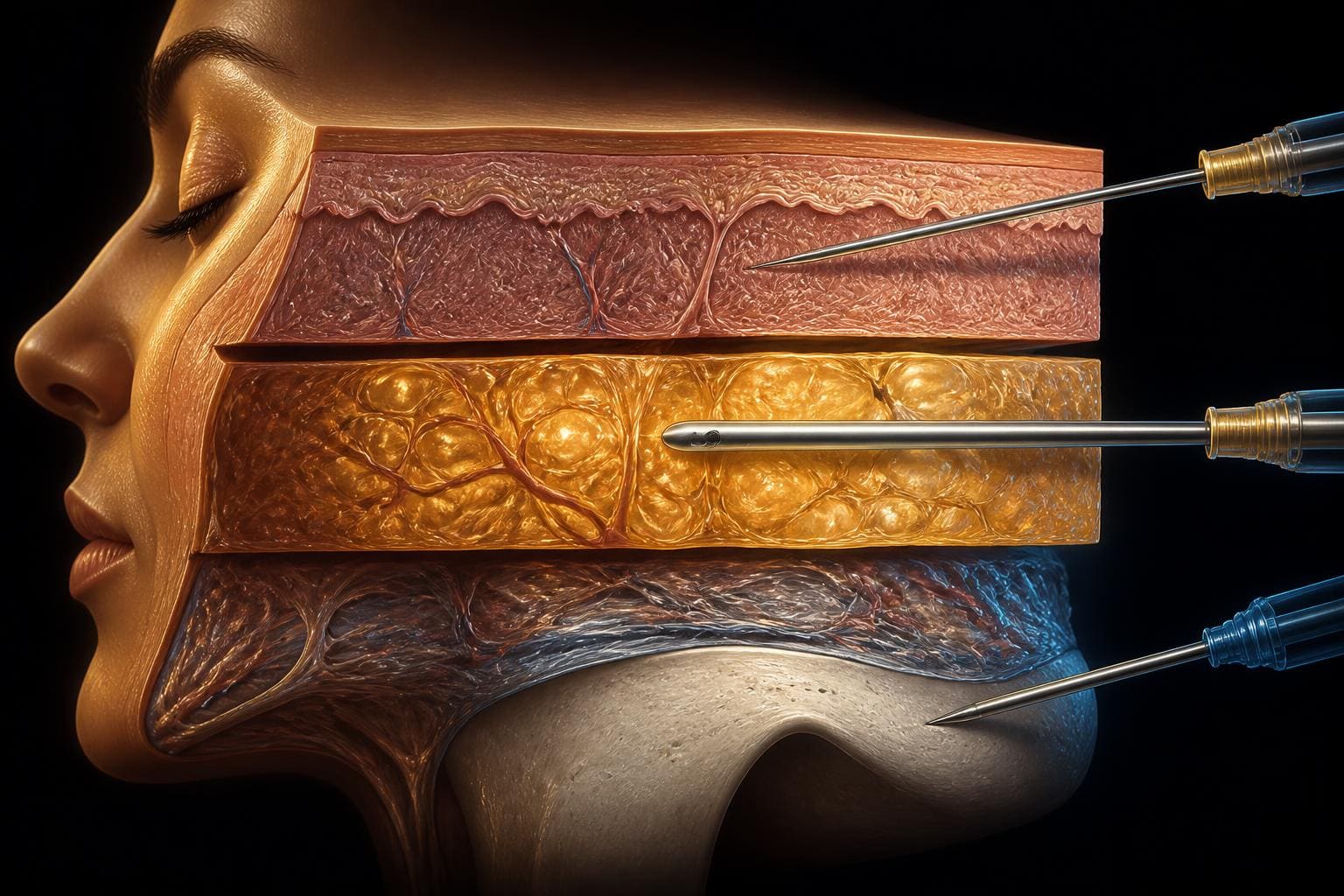
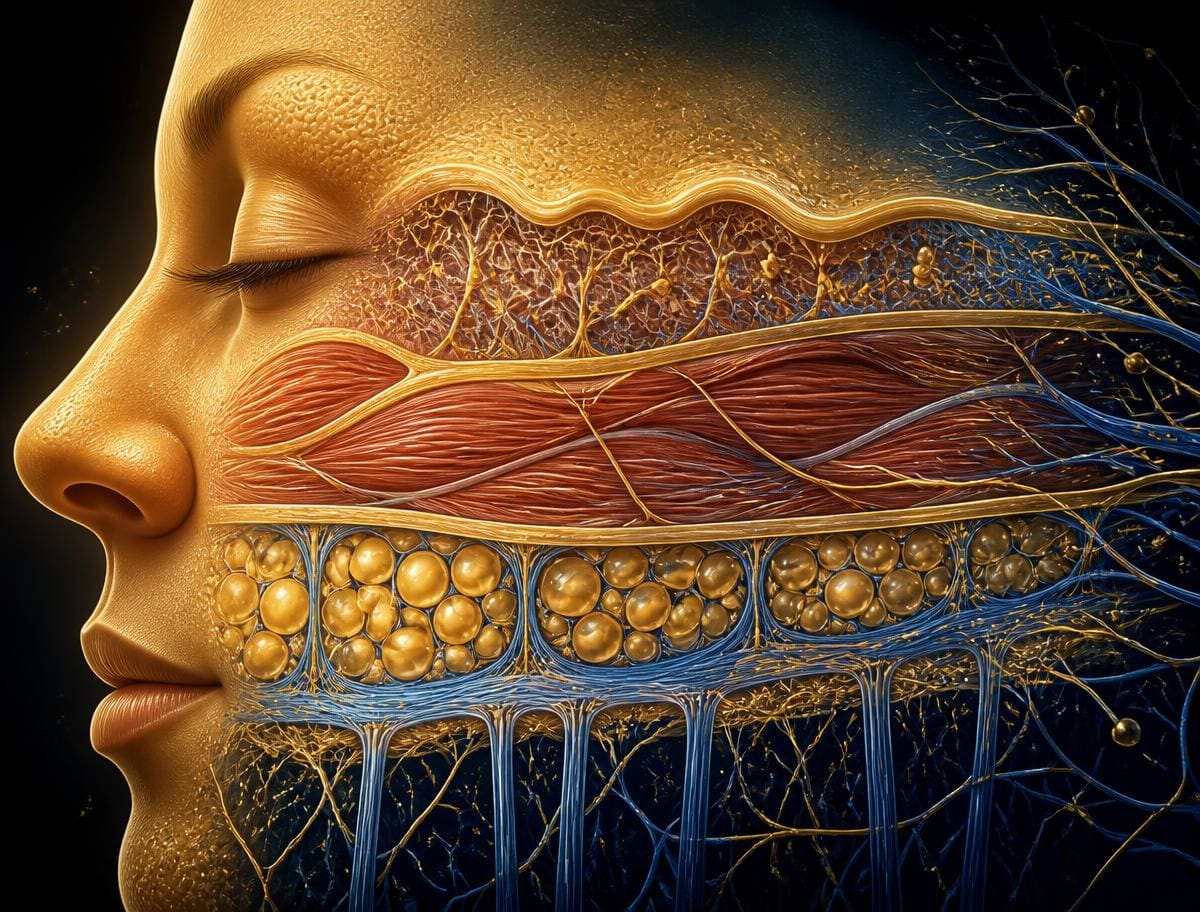
A simplified cellular framework for aesthetic practice
Depth as the anatomy of injection
Skin, movement, support and descent — treating by stage, not age
When not to treat
The current issue — hand-selected by the editorial board for clinical relevance and methodological rigour.
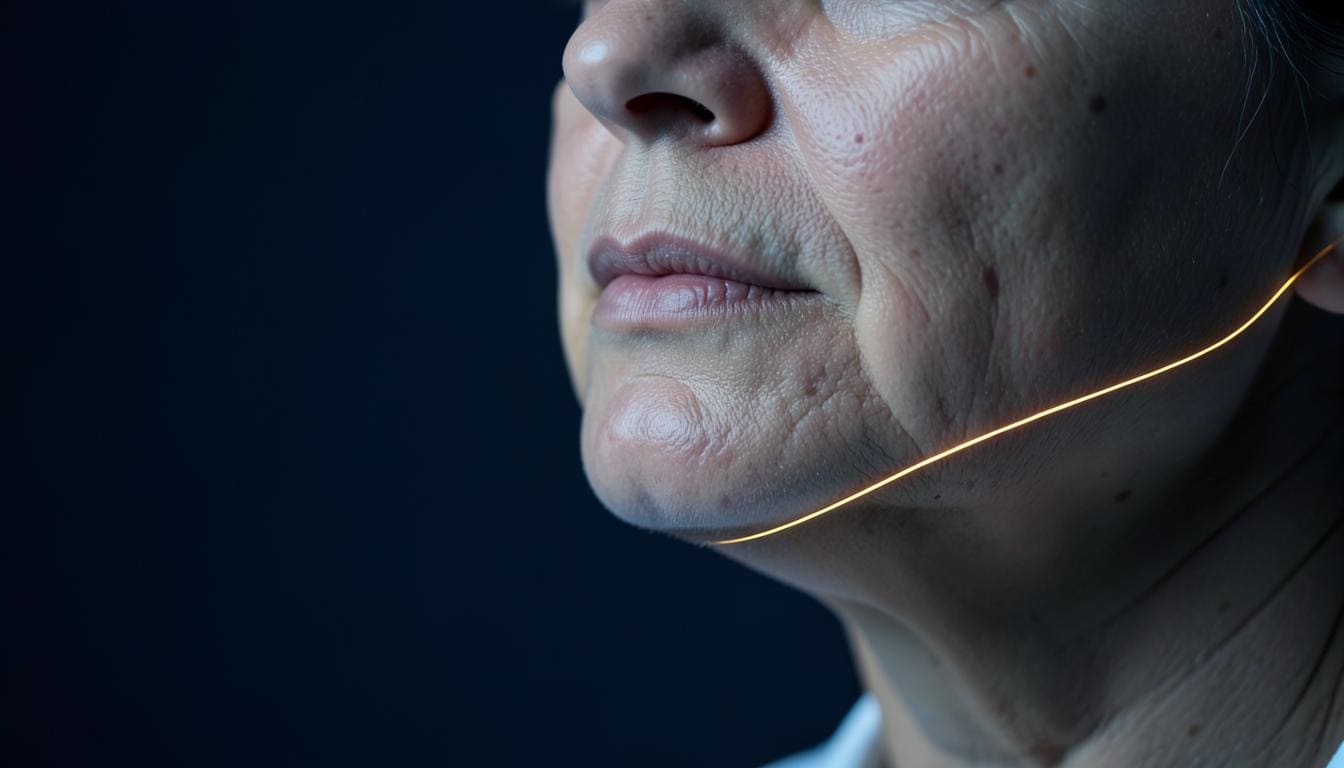
Fibre-optic subdermal 1470 nm diode laser treatment of the lower face is protocol- and parameter-dependent, yet published protocols report total energy in joules far more consistently than the power at which that energy is delivered. Power and energy are not interchangeable: for a fixed energy dose, higher power shortens delivery time and increases the rate of tissue heating relative to thermal dissipation. We observed this distinction directly in clinic after a protocol adjustment and report it here.

Aesthetic medicine has traditionally treated facial ageing as a gradual, steady process, best managed reactively: patients return when a feature bothers them, and that feature is corrected in isolation. A growing body of longitudinal biological evidence complicates that model. Multiple independent studies now report that markers of human ageing change in clustered, non-linear patterns rather than a smooth decline, with recurring evidence of accelerated windows in the fifth and sixth decades of life.

The United Kingdom is moving towards statutory control of non-surgical cosmetic procedures: section 180 of the Health and Care Act 2022 created the licensing power, the Government's August 2025 consultation response set out a red–amber–green model of procedure risk, the Women and Equalities Committee reported in February 2026 that progress has been too slow, and Scotland passed its own legislation in March 2026. Almost all of this answers one question — which procedures may be performed, where, and by which category of person. Very little answers a second: what any individual practitioner must know and demonstrate before treating patients without supervision.
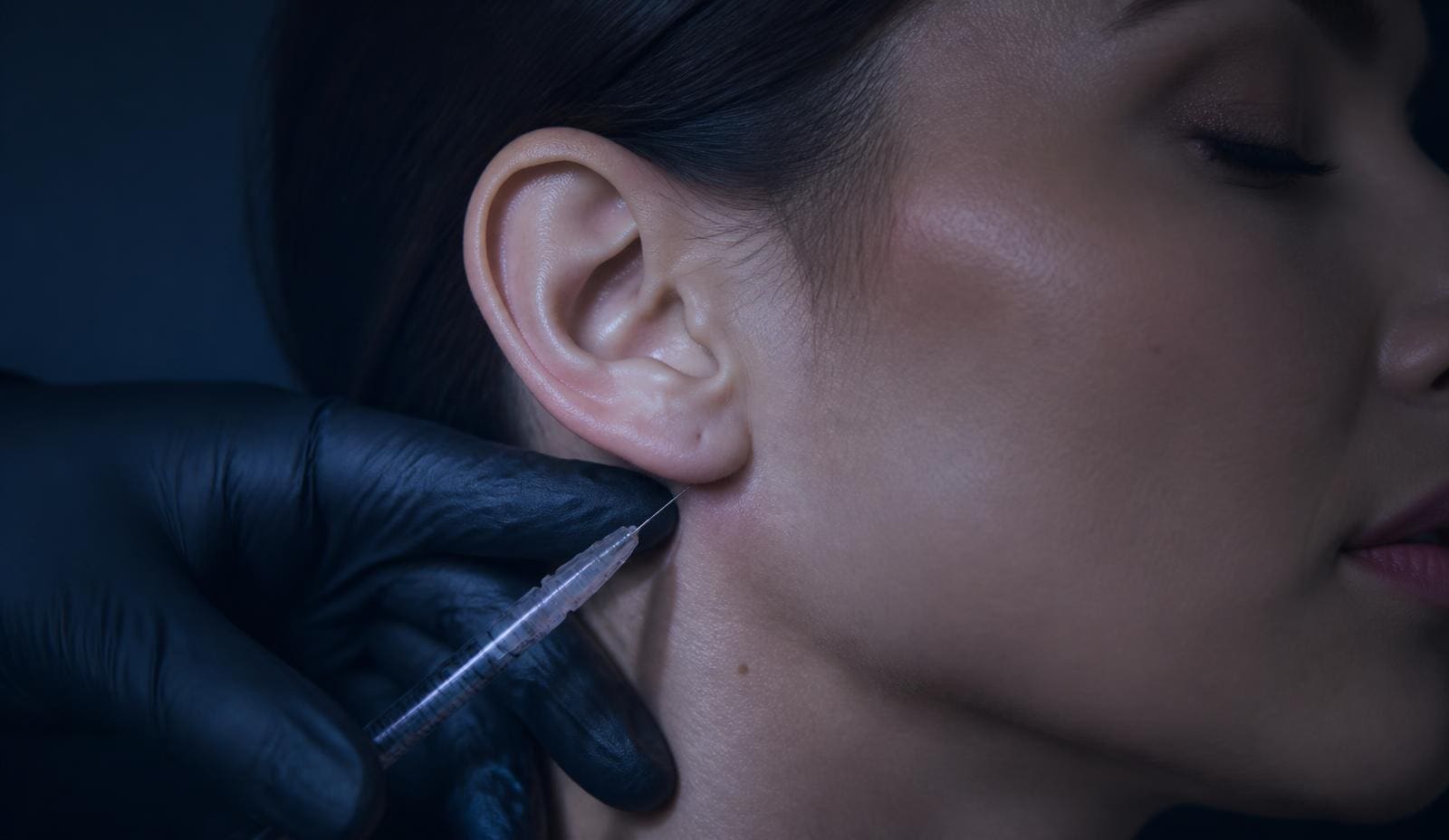
Tinnitus affects an estimated 10–15% of adults, and no pharmacological agent is recommended for its routine treatment by either the American Academy of Otolaryngology–Head and Neck Surgery clinical practice guideline (2014) or NICE guideline NG155 (2020). Botulinum toxin has been proposed for tinnitus on several distinct rationales — chemodenervation of myoclonic middle ear and palatal muscles, reduction of masticatory nociceptive input in somatosensory tinnitus, and modulation of central sensitisation in patients with comorbid chronic migraine. These rationales are frequently conflated in clinical marketing.

Practitioners enter aesthetic medicine from widely divergent starting points — career change, supplementary income, flexibility around caregiving, entrepreneurial ambition, or clinical interest — yet training, marketing and business advice in the sector are delivered as though all entrants share one objective. The result is a systematic mismatch between the practice a clinician builds and the outcome they actually want.
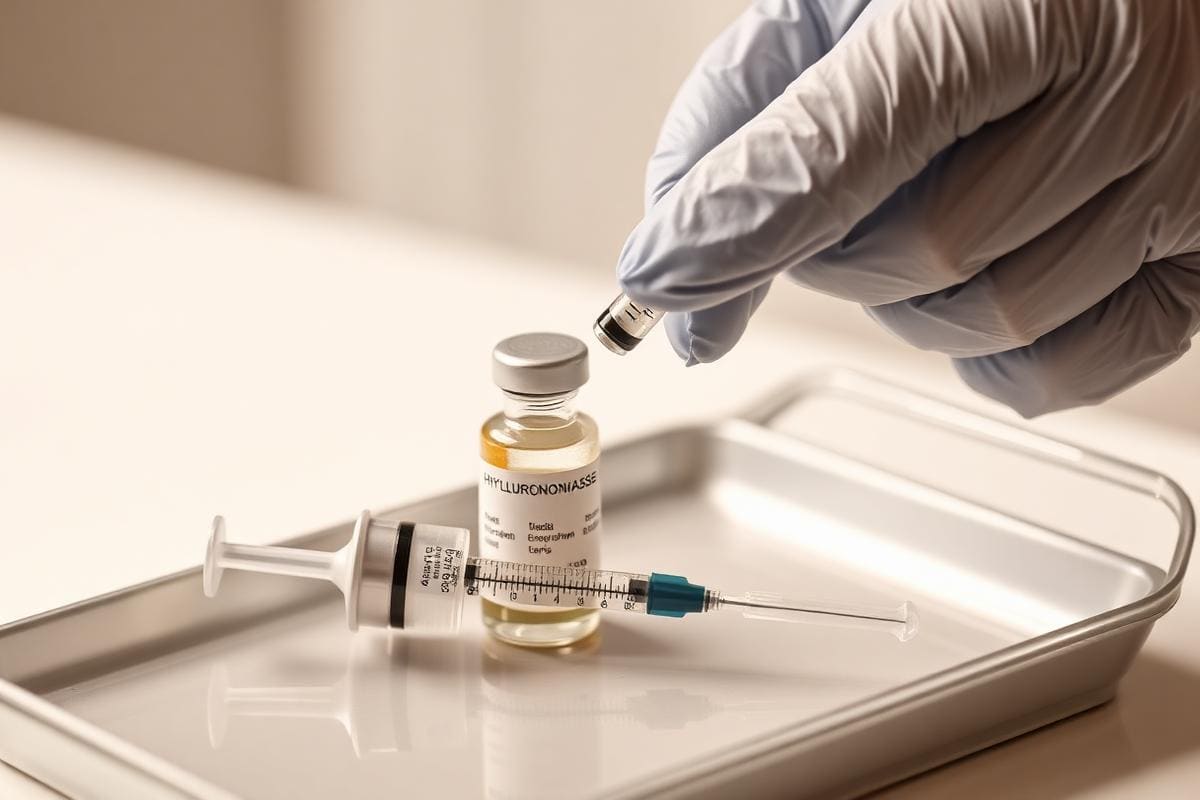
Dermal fillers are among the most frequently performed non-surgical procedures worldwide, and hyaluronic acid accounts for the majority of injectable soft-tissue augmentation. Most adverse events are mild and self-limiting, but vascular occlusion, tissue necrosis, visual loss and cerebrovascular injury can produce permanent morbidity. Published consensus guidance is now substantial, yet complications continue to be mismanaged at the level of sequence, threshold and technique rather than knowledge.
The articles practitioners are returning to — across clinical protocols, safety and practice business.
Aesthetic medicine has traditionally treated facial ageing as a gradual, steady process, best managed reactively: patients return when a feature bothers them, and that feature is corrected in isolation. A growing body of longitudinal biological evidence complicates that model. Multiple independent studies now report that markers of human ageing change in clustered, non-linear patterns rather than a smooth decline, with recurring evidence of accelerated windows in the fifth and sixth decades of life.
The United Kingdom is moving towards statutory control of non-surgical cosmetic procedures: section 180 of the Health and Care Act 2022 created the licensing power, the Government's August 2025 consultation response set out a red–amber–green model of procedure risk, the Women and Equalities Committee reported in February 2026 that progress has been too slow, and Scotland passed its own legislation in March 2026. Almost all of this answers one question — which procedures may be performed, where, and by which category of person. Very little answers a second: what any individual practitioner must know and demonstrate before treating patients without supervision.
Tinnitus affects an estimated 10–15% of adults, and no pharmacological agent is recommended for its routine treatment by either the American Academy of Otolaryngology–Head and Neck Surgery clinical practice guideline (2014) or NICE guideline NG155 (2020). Botulinum toxin has been proposed for tinnitus on several distinct rationales — chemodenervation of myoclonic middle ear and palatal muscles, reduction of masticatory nociceptive input in somatosensory tinnitus, and modulation of central sensitisation in patients with comorbid chronic migraine. These rationales are frequently conflated in clinical marketing.
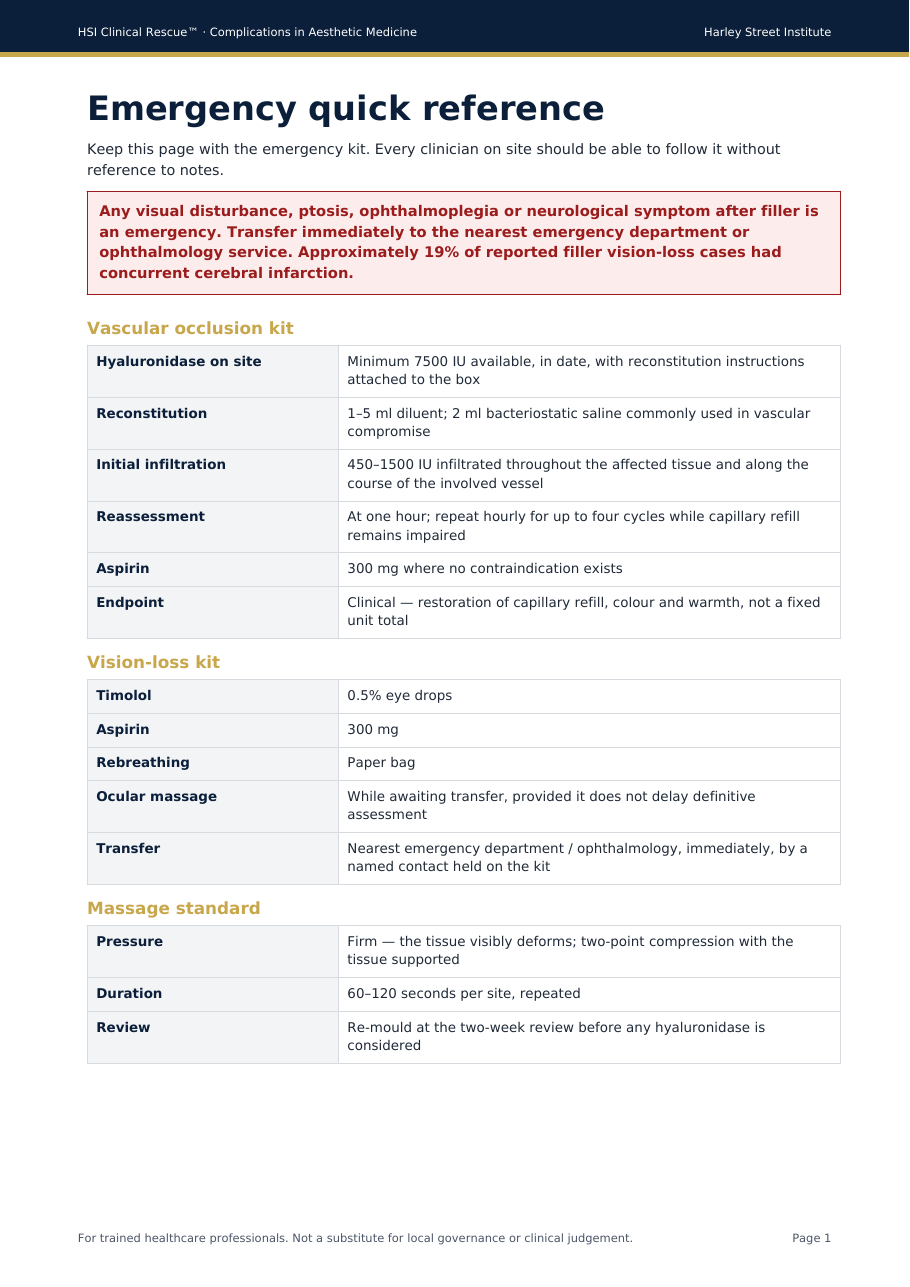
Triage, vascular occlusion, hyaluronidase dosing, the vision-loss pathway, nodules, delayed inflammatory reactions and toxin complications.
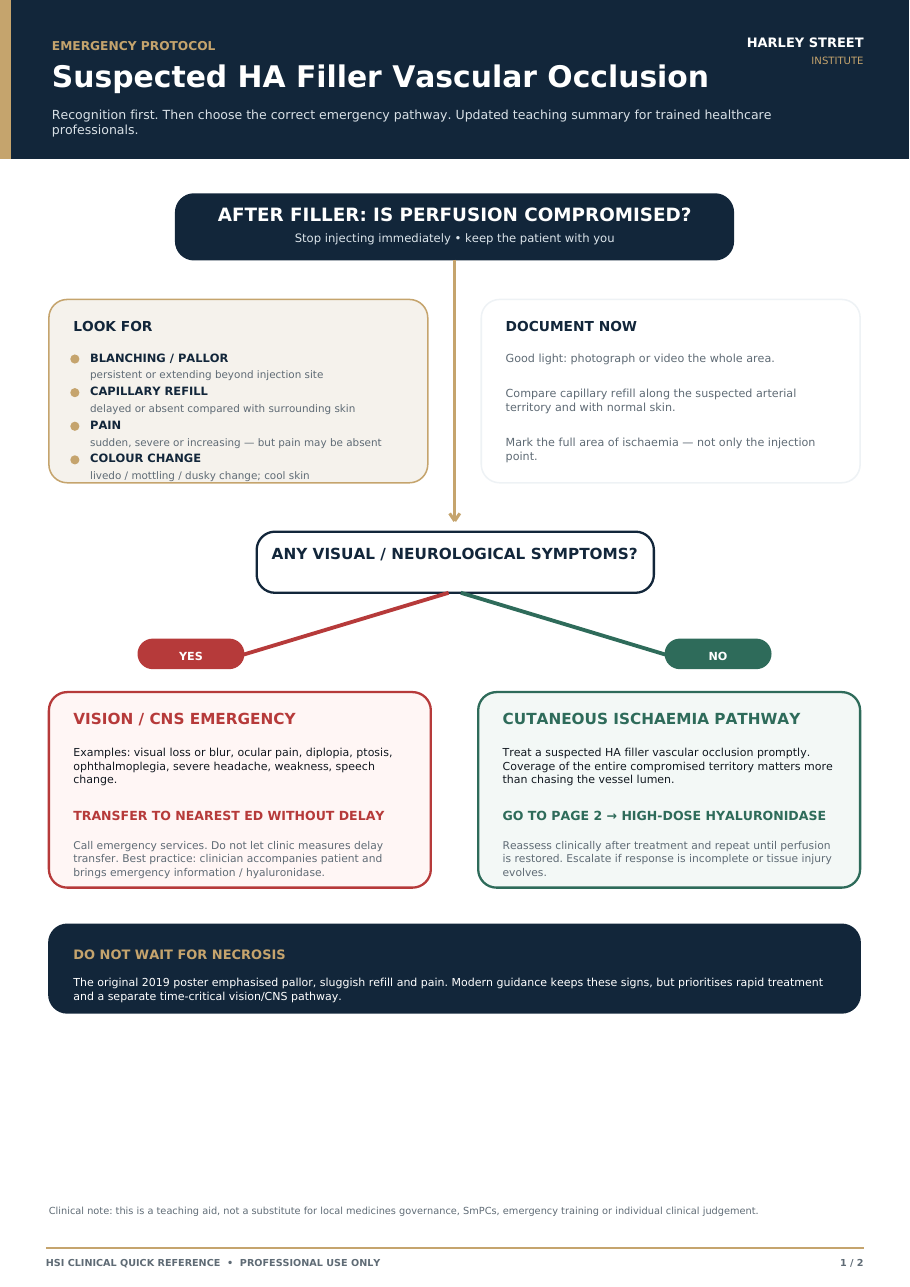
Recognition, emergency pathways and high-dose pulsed hyaluronidase for suspected HA filler vascular occlusion.
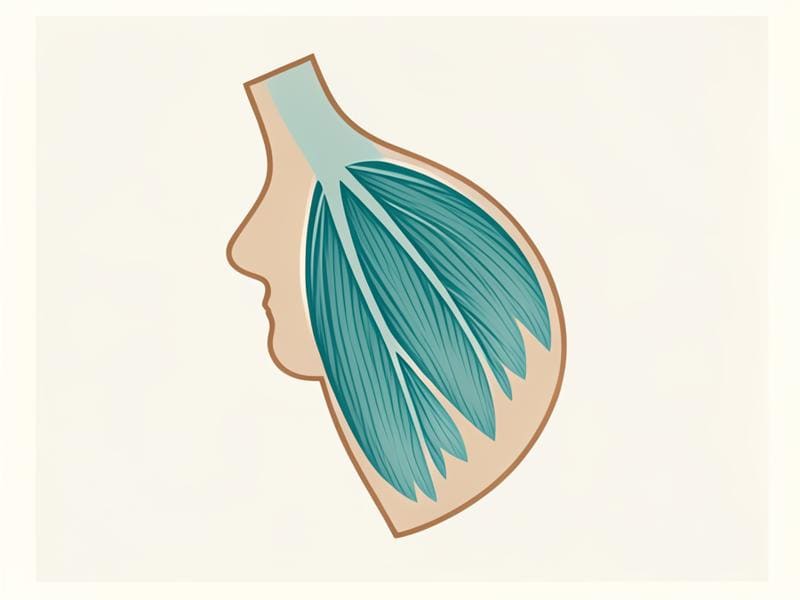

Newly indexed preprints and peer-reviewed articles across injectables, skin health and regenerative medicine.


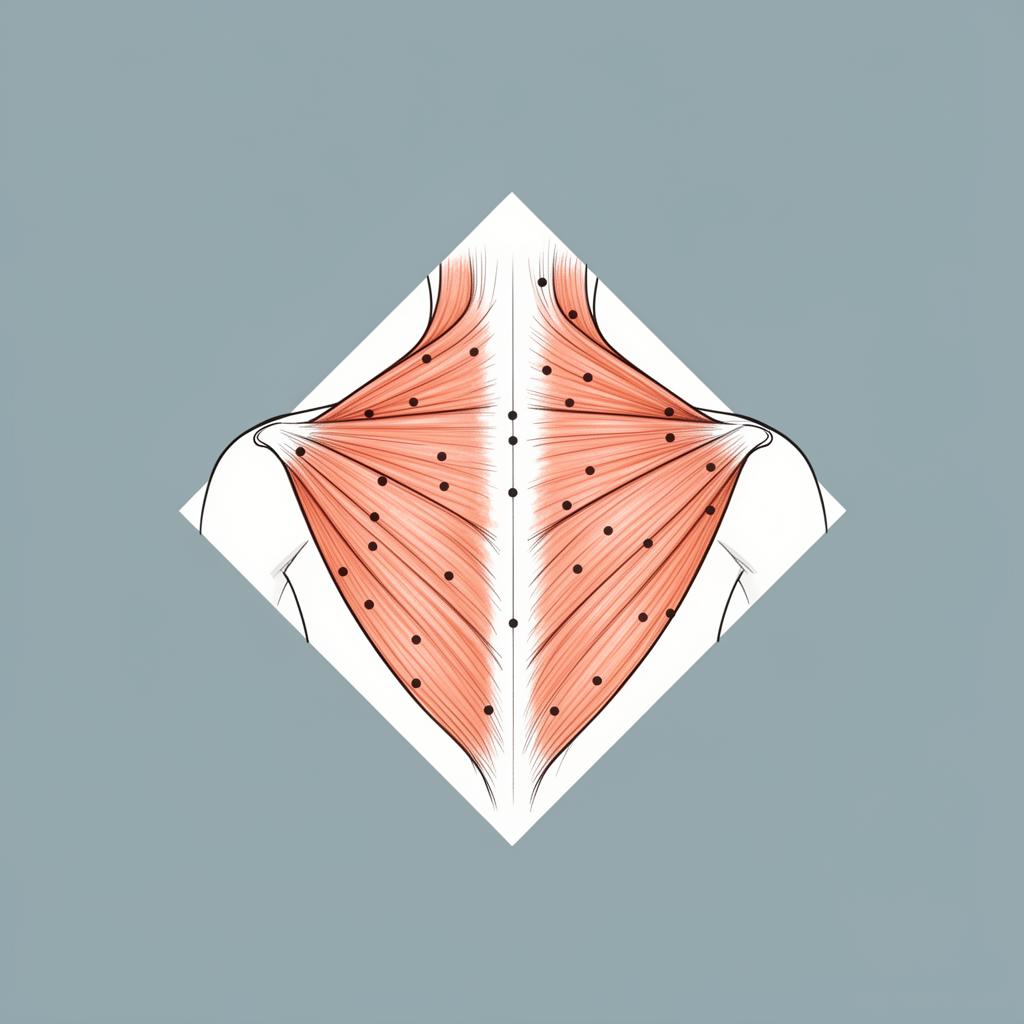
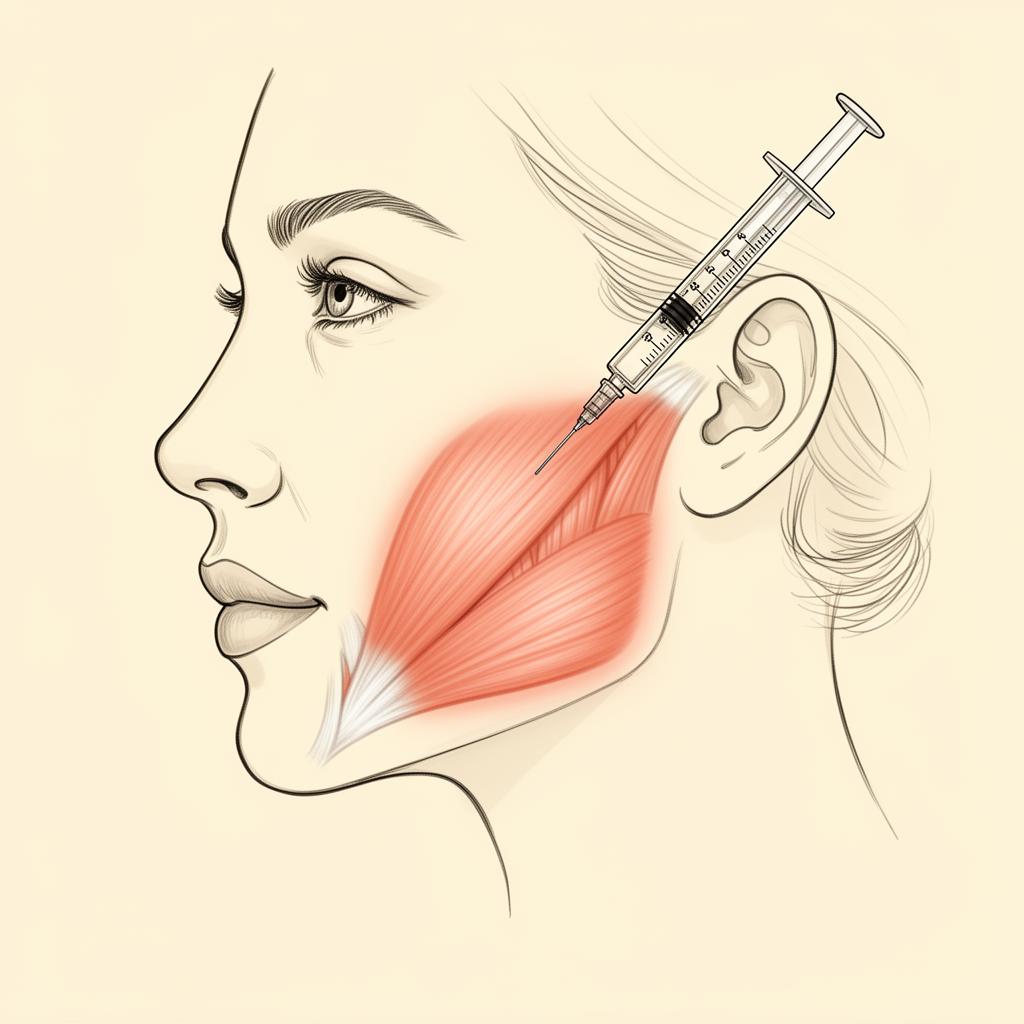
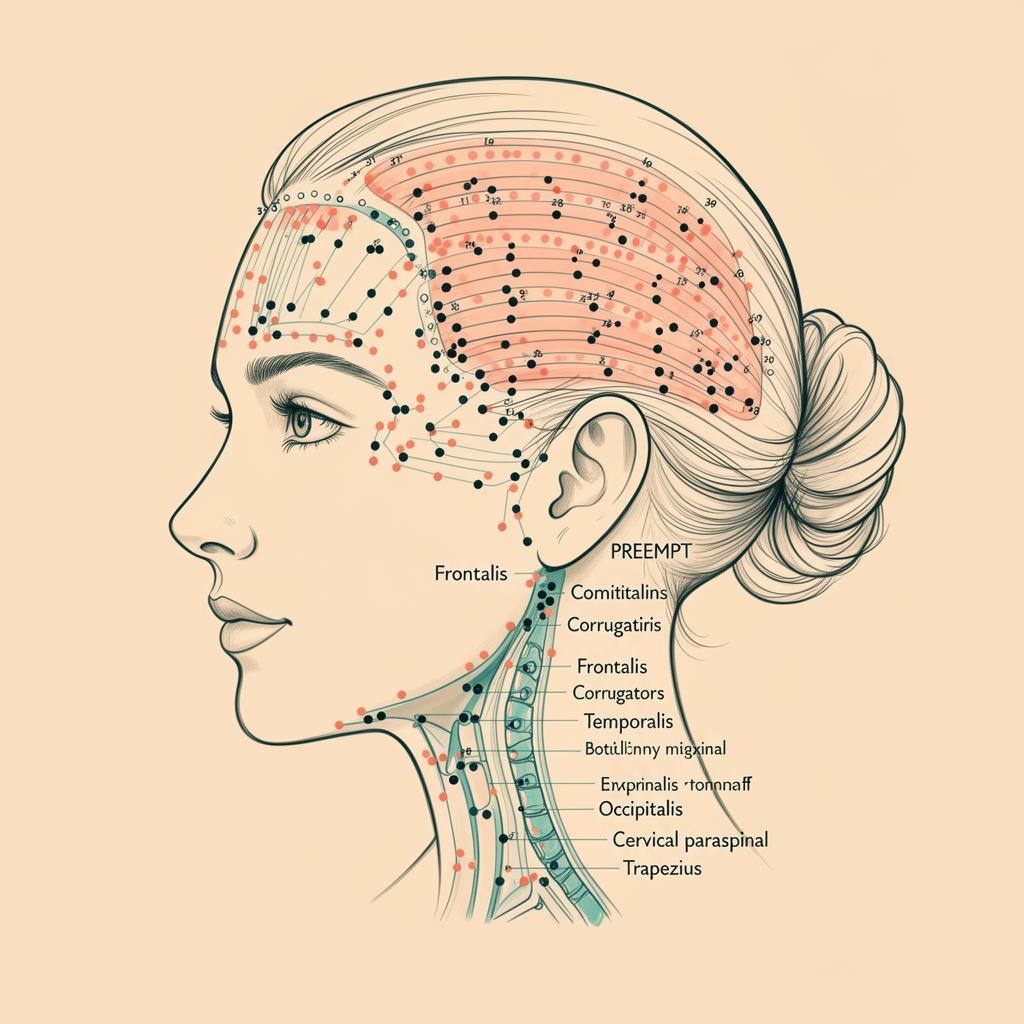

Structured literature reviews and clinical opinion pieces under human academic oversight.
Curated alerts from MHRA, HPRA, FDA, JCCP and peer-reviewed journals — filtered by region.
Semrush UK data puts "masseter botox" at 18,100 searches a month, with a wider cluster of roughly 32,800 including "botox for teeth grinding" and "jaw slimming botox". HSI analyses the six converging drivers — the FDA acceptance of Allergan's sBLA for masseter muscle prominence, dual aesthetic and bruxism intent, the social-media backlash loop, GLP-1-related facial volume loss, facial balancing and male demand, and the clinic content flywheel — and sets out what each means for consultation, compliant advertising and technique.
A new Care Quality Commission-registered medical cannabis clinic, Medecan, has launched in the UK, co-founded by NHS GP and chief medical officer Dr David Eccleston, offering a regulated prescribing pathway for chronic pain, cancer, inflammatory and neurological disorders, PTSD, anxiety and sleep disorders. The opening comes as Prohibition Partners estimates the UK medical cannabis market at £302–389 million with more than 140,000 patients in 2026. Harley Street Institute has published a business-facing review of what it costs to set up a compliant clinic, how pricing works, and the pros and cons for clinicians considering entry.
The Department of Health and Social Care opened a consultation on 22 May 2026 (closed 14 August 2026) proposing mandatory photo-ID age verification, staff supervision, a ban on selling or hiring sunbed devices to under-18s, mandatory pre-sale health risk information, certified protective eyewear, and a prohibition on promoting unproven health benefits. An outright commercial ban was not consulted on, despite the British Photodermatology Group and British Association of Dermatologists calling for one. Harley Street Institute has published a four-lens review of the health, economic and psychological evidence.
Allergan Aesthetics announced on 17 July 2026 that the European Commission has approved Boey (trenibotulinumtoxinE) across all 30 EEA countries for the temporary improvement of moderate to severe glabellar lines in adults where these have an important psychological impact. It is the first rapid-onset, short-duration botulinum neurotoxin serotype E licensed in Europe, with onset observed as early as eight hours and effect typically resolving within two to three weeks; approval follows Health Canada authorisation in June 2026. Harley Street Institute has published a review explaining why serotype E duration is set by its SNAP-25 cleavage site and light-chain persistence rather than by dose.
The Medicines and Healthcare products Regulatory Agency has updated product information and patient leaflets across all botulinum toxin type A products following rare reports of iatrogenic botulism, where toxin effect extends beyond the treated area. Symptoms — difficulty swallowing, slurred speech, breathing difficulty and generalised weakness — typically appear within four to eight days but may take up to four weeks. Harley Street Institute has published a commentary arguing that reported cosmetic dysphagia is concentrated in platysma treatment and reflects dose, depth and technique rather than unpredictable spread.
Issue 6 leads with a critical evidence review of the therapeutic peptide landscape, alongside articles on necrosis management, dermal filler complications, and migraine prevention with botulinum toxin.
Free email subscription. Every new peer-reviewed article is sent to you as it is published, together with occasional editorial notices. Machine-readable feeds are also available.
Aesthetic Intelligence publishes evidence-based scholarship across the breadth of non-surgical aesthetic medicine: botulinum toxin and dermal-filler pharmacology, injection anatomy, vascular safety, skin biology, regenerative therapies, energy-based devices, longevity medicine, and the responsible application of artificial intelligence in clinical decision support and medical education.
Peer review. Single-blind external peer review by at least two reviewers for original research and review articles; editorial review for commentary and editorial content.
Open access. All articles are published under a Creative Commons Attribution 4.0 International licence (CC BY 4.0). Authors retain copyright; readers may share and adapt the work with attribution.
Indexing. Applications planned with DOAJ, Crossref, PubMed Central and Scopus during Volume 1 (2026). The journal follows a monthly publication model (one issue per calendar month) with sequential issue numbering within each volume. Articles ship with full Highwire (citation_*), PRISM and Dublin Core metadata plus JSON-LD ScholarlyArticle markup for Google Scholar, reference managers and OAI-PMH harvesters.
Contact. Editorial correspondence and submissions: journal@harleystreetinstitute.com. Editorial office: Editorial Office, Aesthetic Intelligence, Harley Street Institute, 8-10 Harley Street, London W1G 9QD, United Kingdom.
Haq H, et al. Title of article. Aesthet Intell. 2026;1(1):1–10.
Haq, H., et al. (2026). Title of article. Aesthetic Intelligence, 1(1), 1–10.
Each article page exports the same citation alongside Highwire, PRISM and Dublin Core metadata for Zotero, Mendeley and EndNote.
Editorial Masthead
Peer-reviewed, open-access research, reviews, case reports and clinical commentary across injectables, skin health, regenerative medicine and patient safety.